
Category: Buyer Communication

  • Exterior and Site Issues Found During a Home Inspection: What Real Estate Agents Should Know

    Exterior and Site Issues Found During a Home Inspection: What Real Estate Agents Should Know

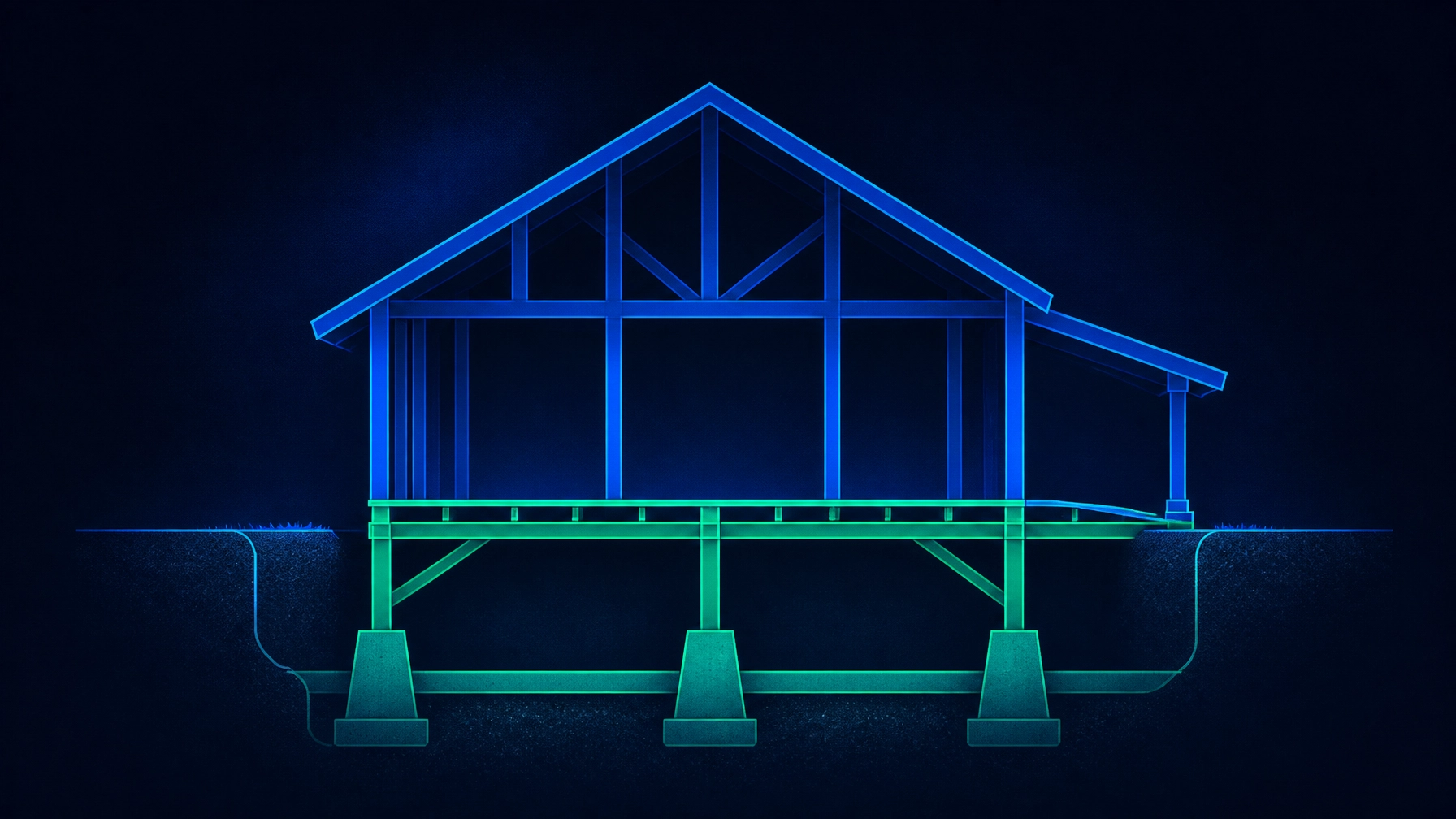
    For a real estate professional, the exterior of a property represents more than just curb appeal; it is the primary defensive envelope that protects the home’s structural integrity. During the inspection contingency period, the "Exterior and Site" section of a home inspection report is often one of the most densely populated and technically complex. These exterior and site issues found during a home inspection frequently bridge the gap between simple maintenance and high-liability structural failures.

    Understanding how to categorize, communicate, and negotiate exterior and site issues found during a home inspection is essential for buyer agents. A systematic approach ensures that clients are not overwhelmed by the volume of a report, but rather focused on the material defects that impact long-term value and safety.

    The PropWise Severity Framework for Exterior and Site Issues Found During a Home Inspection

    Not every exterior finding carries the same weight. To effectively manage client expectations, agents should categorize findings into a logical hierarchy of severity.

    1. Tier 1: Life-Safety Hazards. This includes unstable decks, missing guardrails on elevated surfaces, and significant electrical hazards (such as exposed wiring at exterior outlets). These are non-negotiable safety items that often require immediate attention.
    2. Tier 2: Material Defects and Structural Threats. Issues like negative grading (directing water toward the foundation), active rot in structural siding, and failing retaining walls fall into this category. These represent current or imminent damage to the home's infrastructure.
    3. Tier 3: Functional Deficiencies. This includes improperly sloped gutters, failed window seals, or damaged siding panels. While the systems are "functioning," they are not doing so as designed and will lead to Tier 2 issues if ignored.
    4. Tier 4: Deferred Maintenance. Peeling paint, cracked walkways, and overgrown vegetation. These are generally considered "owner's maintenance" items and are rarely appropriate for repair requests in a standard negotiation.

    For a deeper dive into how to categorize these findings, refer to our guide on inspection severity classification for real estate agents.

    Grading and Site Drainage: The Infrastructure of Moisture Management

    Minimalist geometric vector diagram showing residential site grading with water moving away from a foundation.

    The single most common exterior deficiency documented in home inspections is improper site grading. According to the International Association of Certified Home Inspectors (InterNACHI), water is the leading cause of residential property deterioration.

    Negative Grading

    Negative grading occurs when the soil or hardscaping slopes toward the foundation rather than away from it. This condition forces surface water to collect against the foundation wall, significantly increasing the risk of hydrostatic pressure, basement leaks, and crawlspace moisture.

    What it is: A topographical condition where the ground elevation is higher at the yard's perimeter than at the foundation.
    What it is not: A permanent structural failure. In many cases, grading can be corrected through the addition of clean fill and proper compaction.

    Soil and Vegetation Clearance

    Inspectors frequently flag "soil-to-wood contact." When siding or wooden structural elements (like rim joists or sill plates) are in direct contact with the earth, it creates a "wicking" effect. This moisture absorption leads to rapid rot and provides a direct pathway for wood-destroying organisms (WDOs) such as termites. Standard practice typically requires a minimum of 6 inches of clearance between the soil and the bottom of the siding.

    Siding and the Building Envelope

    Refined minimalist vector cross-section of home siding showing moisture barriers and flashing paths.

    The siding (or cladding) is the property’s first line of defense against the elements. While buyers often focus on the aesthetics of siding, agents must focus on its ability to manage moisture.

    Flashing and Sealants

    Flashing is the thin material: typically metal or plastic: installed to direct water away from critical areas like window headers, door frames, and roof-to-wall intersections. Missing or improperly installed flashing is a "latent defect," meaning the damage (rot) is often hidden behind the siding and may not be visible until the cladding is removed.

    • Kick-out Flashing: A specific type of flashing installed where a roof edge meets a vertical wall. Its absence is a frequent cause of major wall rot.
    • Caulk and Sealants: While often dismissed as "cosmetic," failed sealant at joints and penetrations (where pipes or wires enter the home) is a primary entry point for moisture intrusion.

    Material-Specific Concerns

    • Fiber Cement (HardiePlank): Look for improper clearances at the bottom edge and missing "Z-flashing" at horizontal joints.
    • Vinyl: The most common issue is improper nailing (nailed too tight), which prevents thermal expansion and causes buckling or "oil-canning."
    • Stucco and EIFS: These materials require specialized moisture testing if signs of cracking or bulging are present, as they can trap water against the sheathing.

    Decks, Porches, and Balconies: Managing Life-Safety Liability

    Semi-flat vector illustration focusing on deck safety and structural ledger board connections.

    Decks are among the highest-liability items on any inspection report. Because they are exposed to the elements and often built by homeowners rather than licensed contractors, they frequently harbor hidden safety risks.

    The Ledger Board Connection

    The ledger board is the horizontal beam that attaches the deck to the house. If this connection fails, the deck can collapse. Inspectors look for:

    • Lateral Load Connectors: Modern standards require specific hardware to prevent the deck from pulling away from the home.
    • Lag Bolt Spacing: Bolts must be properly spaced and staggered.
    • Flashing: A deck ledger without a cap flashing is almost guaranteed to cause rot in the house’s rim joist over time.

    Guardrails and Spindles

    Safety standards for railings are objective and clear. Guardrails should be a minimum of 36 inches high (for residential) and spindles (balusters) must be spaced so that a 4-inch sphere cannot pass through. Loose or wobbly railings are flagged as a Tier 1 safety hazard.

    Retaining Walls and Site Hardscaping

    Retaining walls are infrastructure-based systems designed to hold back soil and manage elevation changes. While small landscape walls may be cosmetic, any wall over 3-4 feet in height is a structural element.

    Signs of Failure:

    • Leaning or Bulging: This suggests the wall is failing to hold the weight of the soil behind it, often due to inadequate drainage (hydrostatic pressure).
    • Weep Holes: Properly constructed walls should have "weep holes" or a drainage pipe behind them to allow water to escape. If these are missing or clogged, the wall’s lifespan is significantly shortened.

    Repair Cost Context for Agents

    One of the most difficult phases of the inspection period is providing context for repair costs without acting as a licensed contractor. Agents should avoid giving "hard quotes" and instead focus on providing regional, data-backed context.

    For example, correcting a minor grading issue may cost a few hundred dollars in landscaping labor, while replacing an elevated deck can cost tens of thousands. PropWise provides ZIP-based cost context to help agents frame these discussions with realistic expectations.

    Learn more about managing these figures in our article on inspection repair cost estimates for real estate agents.

    Negotiation Strategies for Exterior Findings

    When faced with a long list of exterior and site issues found during a home inspection, the objective for the buyer's agent is to distill the list down to the "essential and the structural."

    1. Prioritize the "Envelope": Focus on items that allow water into the house (grading, flashing, roof drainage).
    2. Request Credits for Specialist Items: For complex issues like failing retaining walls or extensive siding rot, it is often better to negotiate a closing cost credit rather than asking the seller to perform the repair. This allows the buyer to select their own specialist and ensure the work is done to their standards.
    3. Document the "As-Is" State: For minor maintenance items (peeling paint, cracked walkways), ensure the buyer understands these are part of the property's current condition and have likely already been priced into the market value.

    For more guidance on crafting the request, see our post on how to create an inspection repair request that gets results.

    The Specialist Pathway: Knowing When to Refer

    A general home inspector identifies "symptoms." When those symptoms suggest a deeper issue, the agent should recommend a specialist.

    • Geotechnical or Civil Engineer: For large retaining wall failures or significant site erosion.
    • Siding/Envelope Specialist: For moisture intrusion behind stucco or EIFS.
    • Licensed Deck Contractor: For structural ledger board concerns.

    Connecting clients with the right professionals is a core part of the agent's value proposition. You can explore our framework for vendor matching after a home inspection to streamline this process.

    Important Professional Disclaimer

    The information provided in this article is for educational and organizational purposes only. Real estate agents are not licensed home inspectors, structural engineers, or contractors. Agents should never provide specific repair cost guarantees or legal advice regarding property condition. Always recommend that clients consult with licensed professionals for specific technical evaluations.

    PropWise: Translating Reports into Action

    Exterior and site issues found during a home inspection can be overwhelming for buyers. A 50-page report might list 20 different "exterior" items, ranging from a loose gutter to a failing foundation.

    PropWise solves this by organizing these inconsistent findings into structured, actionable points. We provide the "Cost Context" and "Vendor Pathways" necessary to move the transaction forward with confidence. By using PropWise, agents can stop acting as amateur contractors and start acting as the strategic advisors their clients need.

    Ready to simplify your post-inspection workflow? Explore PropWise for Buyer Agents and turn your next inspection report into a clear path forward.
  • HVAC Inspection Findings: Helping Buyers Understand Repair Risk

    HVAC Inspection Findings: Helping Buyers Understand Repair Risk

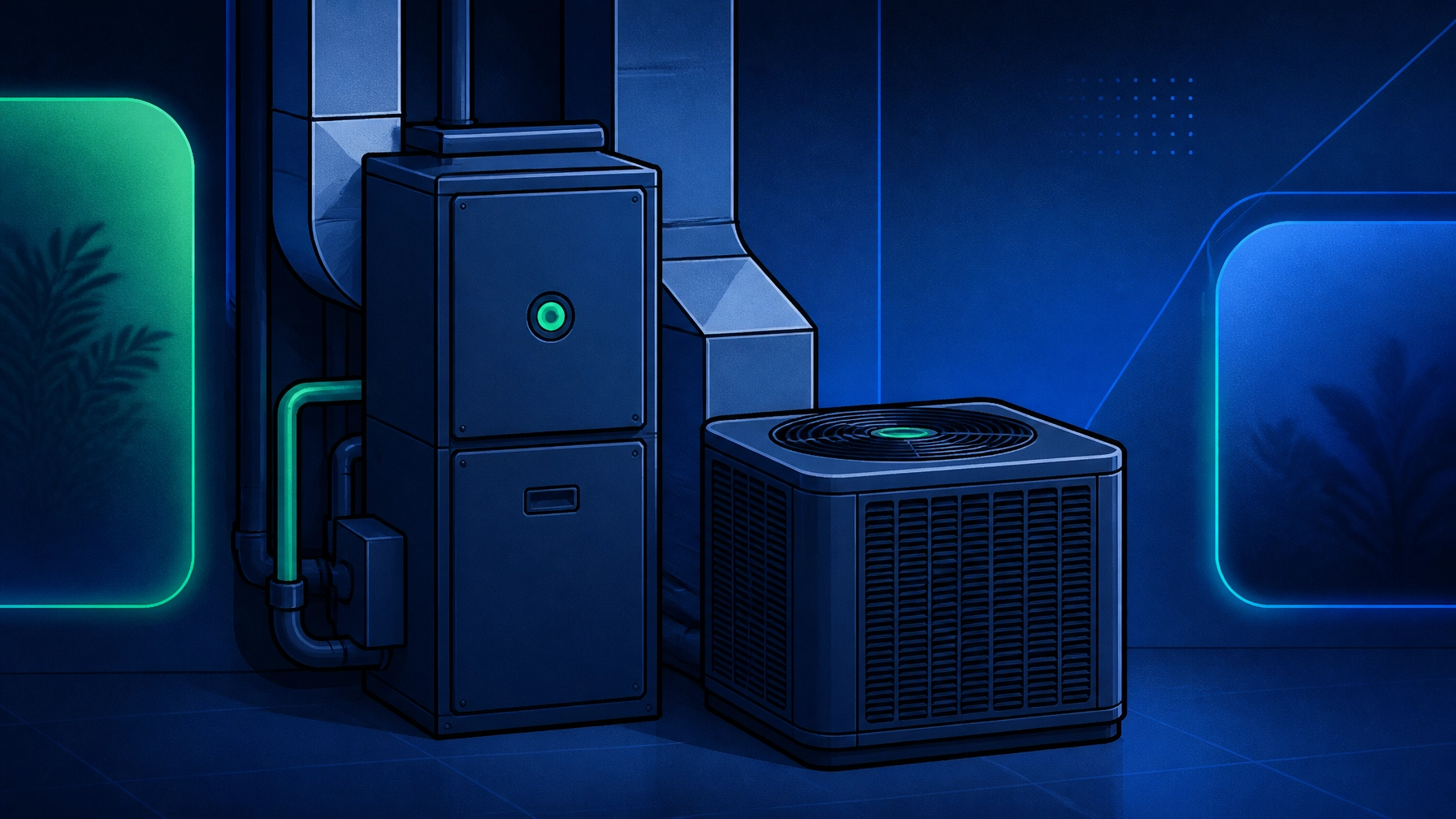
    For a real estate agent, the HVAC system is often the most complex mechanical infrastructure to navigate during a home inspection. Unlike a cosmetic defect or a minor electrical issue, HVAC systems represent high-stakes investment and potential liability. When a home inspector flags HVAC inspection findings, the immediate reaction from buyers is often a sense of urgency or fear regarding total system failure.

    As a professional advisor, your role is to provide a structured framework for these findings, helping your clients distinguish between routine maintenance and material defects. This guide outlines how to categorize HVAC issues, manage buyer expectations, and utilize HVAC replacement cost context to move the transaction forward.

    The Scope of an Inspection: Observations vs. Diagnostics

    Importantly, a standard home inspection is a non-invasive, visual examination of the home's systems. It is not a comprehensive HVAC diagnostic.

    What it is: A home inspector will typically check the thermostat, observe the age of the units, verify that the system responds to controls, and look for visible signs of neglect such as rust or blocked drainage.

    What it is not: A home inspector is not a licensed HVAC technician. They generally do not measure refrigerant levels, perform combustion analysis on a furnace, or use specialized tools to detect microscopic cracks in a heat exchanger.

    If an inspector identifies an air conditioner inspection issue or a suspicious furnace component, their recommendation will almost always be "evaluation by a licensed HVAC professional." This is a critical distinction to maintain for liability reasons and to ensure your clients receive expert technical advice.

    A Framework for Severity: Categorizing HVAC Findings

    To simplify complex reports, agents should categorize findings into three distinct tiers. This categorization helps prioritize negotiation points and provides a roadmap for the post-inspection phase.

    Tier 1: Routine Maintenance and Service Items

    These findings represent systems that are functional but require professional attention to maintain efficiency and longevity.

    • Dirty Air Filters: A common finding that suggests deferred maintenance but is easily rectified.
    • Dirty Condenser Coils: Found on the exterior AC unit; affects cooling efficiency.
    • Clogged Condensate Lines: Common in humid climates, leading to water accumulation near the furnace or air handler.
    • Minor Ductwork Disconnections: Small leaks or uninsulated runs that reduce efficiency.

    Tier 2: Performance and Reliability Concerns

    These issues indicate that the system may be struggling to perform its primary function or is nearing its expected service life.

    • Inadequate Temperature Differential: The system is running, but the air coming out of the vents is not sufficiently cold or hot.
    • Advanced Age: A furnace over 15 years or an AC over 12 years is often flagged as being near the end of its typical life.
    • Visible Corrosion: Rust on the cabinet or internal components suggesting potential future leaks.

    Tier 3: Safety Defects and Material Failures

    These are "deal-changing" issues that typically require immediate attention, repair, or replacement.

    • Cracked Heat Exchanger: A critical safety risk in gas furnaces that can lead to carbon monoxide exposure.
    • Failed Compressor: A major air conditioner inspection issue that often necessitates a full unit replacement.
    • Improper Venting: Flue pipes that are not correctly installed, creating fire or gas hazards.
    • R-22 Refrigerant: Systems using discontinued refrigerant that make repairs cost-prohibitive.

    Severity Tiers framework illustration showing maintenance, performance, and safety categories

    Understanding Furnace Findings in a Home Inspection

    When reviewing furnace findings in a home inspection, the focus is primarily on heat production and safety. Furnaces are infrastructure-based systems with a typical lifespan of 15 to 20 years.

    The Heat Exchanger

    The heat exchanger is the most critical component. If an inspector notes "evidence of soot" or "unusual flame pattern," they are signaling a potential crack. A cracked heat exchanger is a material defect that usually justifies a request for a full system replacement, as the part alone is often half the cost of a new furnace and involves significant labor.

    Venting and Combustion

    Modern high-efficiency furnaces have specific venting requirements. If the PVC venting is not pitched correctly, it can cause the furnace to shut down or leak acidic condensate onto the floor. In older systems, metal flues must be securely connected to prevent exhaust gases from entering the living space.

    Maintenance History

    A lack of service records is a frequent "soft" finding. In these cases, advising the buyer to request a "clean and service" by a licensed contractor is a standard professional practice. You can learn more about how to structure these requests in our guide on how to create an inspection repair request.

    Navigating Air Conditioner and Heat Pump Issues

    Air conditioners and heat pumps are under significant stress during summer months. An air conditioner inspection issue often centers on the unit's ability to "drop" the temperature (the Delta T).

    The Delta T Test

    Inspectors typically look for a 15- to 20-degree difference between the air entering the return and the air exiting the supply vents. If the differential is only 8 degrees, it may indicate a low refrigerant level or a failing compressor.

    Refrigerant Obsolescence

    As of 2020, R-22 refrigerant is no longer produced or imported in the United States. If a unit is found to have a leak and uses R-22, the HVAC repair after inspection becomes complicated. The cost of "reclaiming" and refilling with recycled R-22 is often so high that a full unit replacement (using modern R-410A or newer alternatives) is the only logical path.

    Exterior Unit Condition

    Fin damage, lack of clearance (overgrown bushes), and unlevel condenser pads are common findings. While these are often Tier 1 or Tier 2 items, they contribute to the overall "risk profile" of the system.

    The Math of Negotiation: Age vs. Repair Cost

    As an agent, you should not act as a contractor, but you can provide HVAC replacement cost context to help your clients weigh their options. A common industry standard is the "Age x Cost" rule.

    The Rule: If you multiply the age of the unit by the estimated cost of the repair and the total exceeds $5,000, replacement is typically more rational than repair.

    • Example A: A 12-year-old furnace needs a $600 blower motor. (12 x 600 = 7,200). Since this exceeds $5,000, the buyer might lean toward replacement.
    • Example B: A 6-year-old AC needs a $400 capacitor. (6 x 400 = 2,400). This is a clear "repair" scenario.

    Importantly, these are informational benchmarks, not hard rules. For a deeper look at this logic, refer to our article on Repair vs. Replace after a home inspection.

    Conceptual illustration of a clock and calculator representing the age vs repair cost rule

    Communicating with Buyers: Managing the "End of Life" Narrative

    One of the most difficult conversations an agent has is when an inspector states a system is "at the end of its useful life" even though it is currently working.

    What to say: "The system is currently operational, but based on industry averages, it has exceeded the standard manufacturer’s expected lifespan. We should treat this as a budgeting item rather than an immediate emergency, though it does increase the risk of a material failure in the near future."

    By shifting the narrative from "the HVAC is broken" to "the HVAC is an aging asset," you help the buyer maintain a logical perspective. This is a core component of structuring inspection communication to reduce buyer overwhelm.

    Using PropWise to Organize HVAC Findings

    Managing the flood of technical data from an inspection report is where many agents struggle. PropWise simplifies this by converting lengthy, unorganized reports into a structured action plan.

    • Item Organization: PropWise groups all HVAC-related findings together, separating the "dirty filter" from the "cracked heat exchanger."
    • Cost Context: We provide localized HVAC replacement cost context based on your property's ZIP code, allowing you to frame negotiations with realistic numbers rather than national averages.
    • Professional Boundaries: Our platform helps you identify when a finding requires a specialist, making it easier to match your clients with the right vendors.

    Dashboard illustration showing organized HVAC findings and cost context indicators

    Professional Disclaimer

    The information provided in this article is for educational and informational purposes only and does not constitute professional HVAC, legal, or home inspection advice. Real estate agents should always recommend that clients consult with licensed HVAC contractors for specific diagnostics and repair estimates. Liability for mechanical failure remains with the parties involved in the transaction and their respective qualified experts.

    Conclusion

    HVAC findings do not have to be deal-killers. By applying a clinical, tiered framework to the inspection report and providing the necessary cost context, you can guide your clients through the negotiation phase with confidence. Whether it is a simple furnace service or a complex AC replacement, clarity and organization are your best tools for closing the transaction.

    Ready to simplify your next inspection response? Use PropWise to organize your findings, access localized cost context, and create professional repair requests in minutes. Start your free trial today.

  • Structural and Foundation Findings: How Real Estate Agents Should Communicate Carefully

    Structural and Foundation Findings: How Real Estate Agents Should Communicate Carefully

    For a real estate professional, few phrases in a home inspection report carry as much weight: or as much potential liability: as those related to the foundation. When an inspector notes "differential settlement," "horizontal cracking," or "structural movement," the trajectory of the transaction often shifts from routine to high-stakes.

    The challenge for the agent lies in the communication gap. You are the primary advisor, yet you are legally and professionally prohibited from "diagnosing" the home. Providing an opinion on the severity of a crack or the likely cost of a piering system without a specialist's report can lead to significant professional liability.

    To navigate this phase successfully, agents must adopt a clinical, process-oriented approach. This guide outlines a structured framework for communicating structural findings, managing buyer expectations, and maintaining clear professional boundaries.

    The Boundaries of Authority: What It Is vs. What It Is Not

    Before communicating any structural findings to a client, it is essential to define the boundaries of your role. Misinterpreting these boundaries is a leading cause of post-closing disputes.

    • It is a trigger for further investigation: A structural finding in a general home inspection is a professional "red flag." It is the starting point of a specialized discovery process.
    • It is not a final diagnosis: A general home inspector identifies symptoms (e.g., a crack). They do not typically perform the load-bearing calculations required to declare a foundation "stable" or "failing."
    • It is an opportunity for expert deference: Your value is not in knowing if a foundation is failing, but in knowing exactly who is qualified to make that determination.
    • It is not a moment for "anecdotal comfort": Phrases like "I’ve seen this in every house in this neighborhood" or "It’s just an old house settling" are diagnostic opinions that agents should strictly avoid.

    Categorizing the Findings: A Tiered Communication Framework

    Structural concerns should not be treated as a monolith. To reduce "cognitive overload" for your clients, it is helpful to categorize findings into logical tiers based on the inspector’s language. This allows you to prioritize the findings in a structured manner.

    Tier 1: Cosmetic and Minor Settlement

    These are typically hairline vertical cracks or minor floor slopes that the inspector notes as "common for the age of the structure" or "cosmetic in nature." While these still require disclosure, they often do not necessitate an immediate structural engineer.

    Tier 2: Corrective and Monitoring Items

    This tier includes findings where the inspector identifies a clear issue: such as poor drainage causing localized movement: but does not immediately suggest structural failure. The communication here focuses on repair vs. replace logic and remediation of the root cause.

    Tier 3: Material Structural Defects

    These findings include horizontal cracks, significant bowing of walls, or doors and windows that are clearly out of square. When an inspector uses the words "recommend evaluation by a licensed structural engineer," the finding immediately moves into this critical category.

    Semi-flat vector illustration of specialized structural engineering tools including a level and architectural drawings

    The Structural Specialist Pathway

    When a general inspector flags a potential structural issue, the agent’s primary responsibility is to facilitate the "Specialist Pathway." This is a systematic process that shifts the burden of diagnosis from the agent and the general inspector to a qualified specialist.

    1. Document the Recommendation

    As soon as the report is received, highlight the specific section where the inspector recommends further evaluation. If you are using an inspection severity classification framework like PropWise, ensure this item is categorized as a "High Priority" or "Structural" finding to separate it from minor maintenance items.

    2. Recommend a Licensed Structural Engineer

    There is a critical distinction between a "foundation repair contractor" and a "licensed structural engineer." A contractor often provides a free estimate because they have a financial interest in performing the repair. A structural engineer provides a neutral, third-party assessment for a fee.

    Pro-Tip: Always recommend the structural engineer first. Their report provides the neutral "blueprint" that contractors can then use to provide accurate quotes. This ensures your client is negotiating based on a neutral assessment rather than a sales pitch.

    3. Communicate the "Why" to the Client

    When explaining the need for an engineer to a buyer, use objective language:
    "The inspector has identified symptoms of movement. Because general inspectors are generalists, they do not have the specialized equipment or licensing to determine the root cause or the required fix. To protect your investment and ensure we are negotiating with facts, we should follow their recommendation to hire a structural engineer."

    Communication Templates: What to Say vs. What to Avoid

    Precision in language is your best defense against liability. The following table contrasts common "agent-led" phrasing with professional, "process-led" phrasing.

    Avoid This Phrasing (Subjective) Use This Phrasing (Objective)
    "That crack looks like normal settling to me." "The inspector has noted a crack and recommended further evaluation."
    "I wouldn't worry about it; it's been there for years." "We should engage a specialist to determine if this movement is active or historical."
    "A foundation repair like this usually costs $5,000." "Once we have the engineer's report, we can obtain localized repair cost estimates from qualified vendors."
    "The house is solid; don't let this scare you." "The structural engineer’s report will provide the data we need to decide how to proceed."

    Conceptual illustration of two paths: general inspection and specialized structural engineering

    Navigating the Negotiation Phase

    Once the structural engineer’s report is in hand, the conversation shifts from discovery to negotiation. At this stage, the agent's role is to help the client create an inspection repair request that is rooted in professional findings rather than emotion.

    • Share the Report: Provide the full engineer’s report to the listing side. It is difficult for a seller to ignore a signed, sealed document from a licensed professional.
    • Request Specific Remediation: Rather than asking for a generic "credit for foundation issues," use the language from the engineer's report. For example: "Seller to install three steel push piers per the specifications in the attached report by [Engineer Name]."
    • Address Transferable Warranties: If the foundation is being repaired, ensure that any vendor matching includes a requirement for a transferable lifetime warranty. This is essential for protecting the buyer’s future resale value and building buyer confidence.

    Structuring the Chaos with PropWise

    Structural findings often create "contingency timeline" pressure. Agents are forced to coordinate engineers, review reports, and renegotiate within a few days. This is where organization becomes a primary value driver.

    PropWise helps agents manage this stress by:

    • Organizing Findings: Converting long, text-heavy reports into clear, actionable structural items.
    • Providing Context: Helping agents identify which vendor pathways are appropriate for structural concerns.
    • Maintaining Boundaries: Providing the regional cost context and structural categorization without forcing the agent to act as a contractor.

    Digital dashboard showing categorized home inspection findings with a highlighted structural section

    Final Professional Advisory

    Structural and foundation findings are material facts that require disclosure and expert evaluation. As a real estate professional, your duty is to facilitate the discovery process while remaining within the bounds of your licensure.

    By utilizing a structured framework: categorizing findings, deferring to specialists, and using clinical communication: you protect your client's interests and your own professional reputation.

    Ready to bring order to your next inspection report? PropWise is designed to help you organize findings, provide cost context, and manage the repair negotiation phase with professional clarity. Discover how PropWise simplifies the inspection response today.


    Disclaimer: This article is for informational purposes only and does not constitute legal, structural engineering, or professional real estate advice. Laws regarding disclosure and structural inspections vary by jurisdiction. Always consult with your managing broker or a licensed structural engineer regarding specific property concerns.

  • The Inspection Negotiation Checklist for Real Estate Agents

    The Inspection Negotiation Checklist for Real Estate Agents

    The period between receiving a home inspection report and finalizing a repair agreement is frequently the most volatile phase of a real estate transaction. For many agents, this window is characterized by a "cognitive overload" of unstructured data: hundreds of pages of technical findings, varying degrees of buyer anxiety, and strict contractual deadlines.

    Without a systematic framework, agents often find themselves acting as messengers for disorganized lists of demands, which can lead to friction with the listing side or, worse, the collapse of the deal.

    The following checklist provides a clinical, step-by-step roadmap for managing the post-inspection workflow. It is designed to move the process from a reactive state to an organized negotiation strategy.

    Disclaimer: This checklist is for informational and organizational purposes only. It does not constitute legal advice or replace the specific forms and addenda required by your local real estate commission or state law. Agents should always consult with their broker or legal counsel when drafting contract amendments.

    Phase 1: The 24-Hour Intake and Deadline Audit

    Immediately upon receipt of the inspection report, the workflow must shift from scheduling to analysis. The goal of this phase is to establish the boundaries of the negotiation window.

    1. Verify Contingency Deadlines: Confirm the exact date and time the inspection objection period expires. In many jurisdictions, missing this window by even minutes can result in a waiver of the buyer's right to request repairs.
    2. Review the Full Report Body: Before sharing a summary with the client, read the report in its entirety. Look for "material defects" as defined by your local contract, as these often carry different legal weight than general maintenance items.
    3. Confirm Utilities and Access: If the inspector noted that certain systems (like the attic, crawlspace, or electrical panel) were inaccessible, immediately notify the listing agent. Re-inspections should be scheduled within the first 24 hours to avoid timeline compression later.

    Phase 2: Structural Triage and Severity Classification

    One of the primary causes of negotiation failure is "finding fatigue." When a buyer presents a list of 40 items, the seller often becomes defensive and stops negotiating entirely. Agents should help clients categorize findings into logical tiers.

    A semi-flat vector illustration representing three tiers of inspection severity: Safety, Functional, and Maintenance.

    The Three-Tier Classification System

    To maintain a professional posture, organize the report into these three categories:

    • Tier 1: Safety and Hazardous Conditions: This includes active electrical hazards, structural instability, gas leaks, and significant environmental issues (e.g., high radon or mold). These are typically non-negotiable for most lenders and buyers.
    • Tier 2: Systemic and Functional Defects: These are items that are not currently dangerous but represent a failure of a major home system (e.g., an HVAC unit at the end of its life, a leaking roof, or non-functional appliances).
    • Tier 3: Maintenance and Cosmetic Items: General wear and tear, aged but functional components, and minor aesthetic issues. In a competitive market, these are typically excluded from the formal repair request.

    For a deeper dive into this process, see our guide on Inspection Severity Classification for Real Estate Agents.

    Phase 3: Establishing Cost Context and Regional Accuracy

    Negotiations based on "feelings" or national averages are rarely successful. Sellers require data-backed justification for credits or price reductions.

    1. Obtain ZIP-Based Estimates: National averages for a roof replacement or electrical panel upgrade vary wildly. Agents should utilize tools that provide localized cost context to ensure that requests are realistic.
    2. Identify Vendor Pathways: For complex issues, such as foundation movement or sewer line cracks, identify which specific trade is required (e.g., a structural engineer vs. a general contractor). This allows the buyer to understand the scope of the work before asking for a specific dollar amount.
    3. Differentiate "Repair" vs. "Replace": Be prepared to discuss the difference between a functional patch and a full system replacement. This is a common point of contention in negotiations. You can review the strategic differences in our article on Repair vs. Replace After a Home Inspection.

    A semi-flat vector illustration showing a digital map with localized repair cost data and analytical charts.

    Phase 4: Drafting the Professional Repair Request

    The language used in the Inspection Objection or Repair Addendum is critical for liability management and clarity.

    • Be Specific, Not General: Avoid phrases like "Repair the electrical system." Instead, use "Licensed electrician to replace double-tapped breakers in the main service panel as noted on page 14 of the inspection report."
    • Reference the Report: Always include the page number and item number from the home inspector’s report to ensure there is no ambiguity about which defect is being addressed.
    • Define the Standard of Work: Clearly state that repairs must be completed by a licensed and insured professional in that specific trade, and that invoices and proof of completion must be provided prior to the final walkthrough.

    For more information on structuring these documents, read How to Create an Inspection Repair Request That Gets Results.

    Phase 5: The Negotiation Strategy

    At this stage, the objective is to reach a "meeting of the minds" that keeps the transaction moving toward closing.

    1. Prioritize Credits over Repairs: Whenever possible, many agents recommend negotiating a closing cost credit or a price reduction rather than having the seller perform the work. This gives the buyer control over the quality of the repair and the choice of contractor.
    2. Maintain Objective Tone: Present the findings as "infrastructure requirements" rather than personal demands. This reduces the emotional friction often felt by sellers who have lived in the home for years.
    3. Anticipate the Seller's Response: A seller will typically respond in one of three ways: total acceptance, a counter-offer (partial repairs/credits), or a "take it or leave it" rejection. Prepare your client for these scenarios in advance to avoid reactive decision-making.

    A semi-flat vector illustration symbolizing a professional agreement with abstract hands, a house icon, and a checkmark.

    Phase 6: Post-Agreement Verification and Vendor Matching

    The negotiation is not finished until the repairs are verified and the credits are documented on the Settlement Statement (CD).

    • Vendor Matching: If the buyer is taking a credit, provide them with a list of reputable local professionals who can perform the work after closing. This builds long-term trust and professional value. See our resources on Vendor Matching After a Home Inspection.
    • The Final Walkthrough: Use the signed repair agreement as a checklist during the final walkthrough. Verify that all agreed-upon items have been addressed and that no new issues have been created during the repair process.
    • Document Retention: Ensure that all inspection reports, cost estimates, and signed addenda are stored in your transaction management system for compliance and future reference.

    Conclusion: Systematizing the Stress

    The inspection phase does not have to be a period of chaos. By following a structured checklist: from initial triage to cost-contextualized negotiation: real estate professionals can provide a higher level of service while protecting their clients' interests.

    PropWise is designed to sit at the center of this workflow. We convert overwhelming, disorganized inspection reports into structured, actionable data. By providing localized cost context and clear severity tiers, we empower agents to lead negotiations with confidence and clarity rather than stress and uncertainty.

    Ready to transform your inspection workflow? Explore how PropWise simplifies the post-inspection phase for real estate professionals.

  • Structuring Inspection Communication to Reduce Buyer Overwhelm

    Inspection day can be one of the most emotional moments in a real estate transaction. A buyer may have spent weeks searching for the right home, negotiating the offer, picturing furniture in the rooms, and imagining the next stage of life. Then the inspection report arrives with dozens of pages, hundreds of photos, technical comments, safety notes, maintenance observations, and recommendations for further evaluation.

    Even when the home is fundamentally sound, the volume of information can make buyers feel like something has gone wrong. A report that is intended to inform can accidentally overwhelm. The buyer sees roof comments, plumbing notes, HVAC observations, electrical recommendations, moisture language, window defects, grading concerns, and appliance issues all at once. Without structure, every item can feel equally urgent.

    That is where real estate agents play a critical communication role. The agent does not replace the inspector, contractor, attorney, broker, or client decision-making process. But the agent can help the buyer understand the inspection report in a clearer sequence. Organization changes perception. A structured conversation helps buyers move from emotional reaction to practical review.

    This article explains how to structure inspection communication to reduce buyer overwhelm, support better decision-making, and keep the post-inspection process professional, advisory, and easier to navigate.

    Core idea: Buyer confidence is often less about eliminating every concern and more about helping the buyer understand what the concerns mean, how they are grouped, and what the next reasonable step may be.

    Why Buyers React Emotionally to Inspection Reports

    Inspection reports are not written like marketing brochures. They are designed to document observed conditions, limitations, defects, recommendations, and safety concerns. A strong inspection report is meant to be thorough. That thoroughness is useful, but it can feel intense to a buyer who is reading one for the first time.

    Many buyers open the report expecting a pass-or-fail answer. Instead, they receive a long professional document filled with photos, technical labels, and language like “recommend further evaluation,” “monitor,” “repair,” “replace,” “not functioning as intended,” or “safety concern.” The report may include routine maintenance items next to major system concerns. It may include cosmetic observations next to active leaks. It may include items that need a licensed contractor, items that may be addressed after closing, and items that simply require awareness.

    That creates a communication problem. Buyers may not know how to separate “this is common and manageable” from “this deserves negotiation attention.” They may not know which findings are urgent, which are informational, and which require more professional evaluation before a decision can be made. When everything appears in one long list, the buyer’s nervous system can treat everything as important.

    Agents see this often. A buyer may react strongly to the number of report pages, the number of photos, or the number of red marks. They may assume a long report means a bad house, even when many items are normal maintenance. They may ask whether they should cancel, renegotiate aggressively, or request every item. The agent’s job is not to minimize the findings. It is to help the buyer process them in a more organized way.

    The first communication goal is to slow the conversation down. Before discussing requests, credits, or repairs, the buyer needs a framework. That framework should make the inspection report easier to understand without changing the inspector’s conclusions or creating guarantees.

    How Organization Influences Perception

    The same inspection findings can feel very different depending on how they are presented. A buyer who sees a raw list of 80 comments may feel overwhelmed. A buyer who sees those same comments grouped into five trade categories, separated by severity, and paired with next-step options may feel more grounded.

    Organization does not change the facts. It changes the buyer’s ability to process the facts. This matters because post-inspection decisions often need to be made quickly. Buyers may have limited inspection-response timelines. Agents may need to coordinate with lenders, sellers, listing agents, contractors, brokers, and attorneys. A disorganized review process can turn a manageable negotiation into a stressful, reactive conversation.

    One of the most helpful shifts is moving from report order to decision order. Inspection reports often follow the inspector’s structure: roof, exterior, plumbing, electrical, HVAC, interior, attic, crawl space, and so on. That structure is useful for documentation, but it is not always the easiest structure for negotiation. Buyers need to know what matters most, what needs clarification, and what may be routine.

    A decision-focused structure may group findings into categories such as:

    • Safety or functionality concerns that may deserve immediate discussion.
    • System or component defects that may require repair, replacement, or further evaluation.
    • Moisture, drainage, or environmental indicators that may need careful review.
    • Maintenance items that may be helpful for buyer awareness but not necessarily negotiation priorities.
    • Cosmetic or preference-based items that may not belong in an inspection response depending on the contract, market, and broker guidance.

    This kind of structure helps a buyer see that not every item is the same. It also helps prevent the conversation from becoming a scattered review of every photo in the report. The agent can walk the buyer through categories, priorities, and possible next steps in a way that feels more professional.

    Professional boundary: Structuring the conversation is not the same as deciding for the buyer. The buyer still decides how to proceed, and licensed professionals should be used when technical, legal, or contractual guidance is needed.

    Using Clear Categories to Reduce Anxiety

    Categories are one of the simplest ways to reduce inspection overwhelm. When buyers cannot categorize findings, they often default to emotion. When findings are grouped into familiar buckets, the conversation becomes easier to follow.

    A strong post-inspection communication framework usually starts with trade categories. Plumbing, electrical, HVAC, roofing, structural, drainage, windows and doors, appliances, pest, mold, radon, septic, wells, pool and spa, fireplaces, and environmental hazards each carry different implications. A plumbing leak is not the same conversation as a roof covering issue. A furnace service recommendation is not the same conversation as a structural framing concern. Grouping by trade helps the buyer understand who would evaluate or correct the item and how it fits into the overall home condition.

    After trade categories, the next layer is severity. Severity does not need to be dramatic. In fact, the best severity language is usually calm and practical. Agents can use categories such as “higher priority,” “needs further evaluation,” “routine correction,” “monitor,” or “maintenance awareness.” The exact language should align with brokerage guidance, local practice, and the report itself.

    The third layer is action type. Some findings suggest repair. Some suggest replacement. Some suggest further evaluation. Some suggest monitoring. Some are maintenance notes. When buyers understand action type, they are less likely to request the wrong remedy. A request for a seller to “fix” something may be vague if the report actually recommends specialist evaluation. A request to “replace” may be too aggressive if the issue is a repairable component. A request to “repair” may be insufficient if the defect involves an obsolete or unsafe system. Structure helps those distinctions surface.

    Clear categories also make it easier to communicate with the listing side. A response that groups items by trade and action type is usually easier to review than a long copy-paste of raw report comments. It gives the listing agent, seller, and any contractors a cleaner path to understanding what is being requested.

    Category Layer Buyer Benefit Communication Benefit
    Trade Helps buyers understand the type of issue Connects findings to appropriate professionals
    Severity Helps separate urgent concerns from routine notes Reduces emotional overreaction
    Action Type Clarifies repair, replace, evaluate, monitor, or maintain Supports clearer response drafting
    Cost Context Provides a realistic conversation starting point Helps avoid unsupported numbers

    Why Raw Report Language Can Increase Overwhelm

    Copying raw inspection language directly into an email, text thread, or repair request can feel efficient, but it often makes the buyer experience harder. Inspection reports are written for documentation, not necessarily negotiation clarity. The inspector may use technical wording, repeated recommendations, disclaimers, limitations, and system-specific observations. When that language is copied without structure, buyers can struggle to identify what the agent is asking them to decide.

    Raw report language can also create tone problems. An inspector’s phrase may sound more severe to a buyer than intended. A photo may make an issue look dramatic even if the recommended remedy is straightforward. A comment about further evaluation may be interpreted as a confirmed defect rather than a recommendation to bring in another professional. A maintenance note may appear beside a major repair concern and receive the same emotional weight.

    That does not mean agents should rewrite inspection reports as if they are experts. It means the communication around the report should be organized. The original report remains the source document. The agent’s summary or discussion can help the buyer understand where to focus.

    A useful communication approach is to preserve the inspector’s finding while adding context around category and next step. For example, instead of presenting a long paragraph from the report without explanation, an agent might summarize the category as “Plumbing,” note the action as “licensed plumber evaluation/repair,” and identify whether it appears to be a higher-priority item for discussion. This keeps the conversation aligned with the report while making it easier for the buyer to process.

    Agents should also be careful not to soften legitimate concerns too much. The goal is clarity, not minimization. If the report identifies a safety issue, active leak, structural concern, or potentially material defect, the communication should respect that seriousness. Organization should make the concern clearer, not hide it.

    The Role of Presentation in Professional Differentiation

    Inspection communication is one of the moments where an agent’s professionalism becomes highly visible. Buyers may not fully understand every contract deadline, inspection term, or repair category, but they can feel whether their agent has a process. A structured process builds confidence.

    Professional presentation does not have to be complicated. It can be as simple as a clean summary, grouped findings, a call agenda, and a clear next-step sequence. The buyer should know what will be reviewed, what decisions need to be made, which items may need additional professional input, and when the response deadline occurs.

    A strong presentation may include:

    • A short opening explanation that the inspection report is informational and should be reviewed carefully.
    • A grouped summary of findings by trade or system.
    • A distinction between major concerns, further evaluation items, maintenance notes, and lower-priority issues.
    • A reminder that contractors, inspectors, attorneys, and brokers may need to be consulted depending on the issue.
    • A clear explanation of the next decision point, such as whether to request repairs, ask for credits, seek additional evaluation, accept the property condition, or consider contractual options.

    This type of communication helps the buyer feel guided without feeling pushed. It also helps reduce unnecessary back-and-forth. Instead of jumping from one isolated defect to another, the buyer and agent can review the report in a logical sequence.

    There is also a brand benefit for the agent. A buyer who feels supported during inspection is more likely to remember that experience. The inspection period is stressful, but it is also a chance to demonstrate calm leadership. Agents who bring structure to stressful moments create value that buyers can feel.

    Post-Inspection Roadmaps as Structured Tools

    A post-inspection roadmap is not a guarantee, legal recommendation, or contractor quote. It is a structured way to help buyers understand what the report says, how the findings are grouped, and what next steps may be considered. The roadmap concept is especially useful because it gives the buyer a path through the information.

    A good roadmap may include the following elements:

    1. Category Summary

    Group findings by system or trade so the buyer can see patterns instead of isolated comments.

    2. Priority Layer

    Separate higher-priority concerns from maintenance notes, monitoring items, and cosmetic issues.

    3. Action Type

    Identify whether the likely next step is repair, replacement, further evaluation, monitoring, or awareness.

    4. Cost Context

    Provide ranges or context where appropriate, while making clear that contractor quotes control actual pricing.

    This roadmap does not need to answer every question. In fact, it should not pretend to. Some findings require a licensed contractor. Some require legal or broker input. Some require additional evaluation before a request can be drafted responsibly. The value of the roadmap is that it shows the buyer where each item sits in the process.

    For example, a buyer may see a report comment about an active plumbing leak under a sink, a furnace that did not operate properly, several failed window seals, a loose toilet, missing GFCI protection, and grading that slopes toward the foundation. Without a roadmap, those items may feel like a single wave of problems. With a roadmap, the buyer can see that plumbing, HVAC, windows, electrical, and drainage are different categories with different professionals and different decision paths.

    A structured roadmap also helps avoid two common extremes. The first extreme is panic: treating every item as a reason to walk away. The second extreme is dismissal: assuming everything is normal maintenance. Both can be wrong. Structure creates a middle path where each item receives appropriate attention.

    What Agents Should Avoid When Buyers Feel Overwhelmed

    When a buyer is anxious, it can be tempting to reassure them quickly. Reassurance is helpful, but unsupported certainty can create risk. Agents should avoid saying things like “that is cheap to fix,” “the seller will definitely take care of it,” “this is not a big deal,” or “you do not need to worry about that.” Those statements may be well-intentioned, but they can overstep professional boundaries.

    Agents should also avoid letting the buyer’s emotional reaction set the entire strategy. A buyer may initially want to request everything, ask for a large credit, or cancel immediately. Sometimes those actions may be appropriate, but the decision should come after a structured review, not before one.

    Another mistake is allowing communication to scatter across multiple text threads, screenshots, and partial report excerpts. Buyers may send photos from the report, ask isolated questions, and jump between categories. Agents can bring the conversation back to structure by saying, in effect, “Let’s group these first, then decide which items need action.”

    Finally, agents should avoid converting inspection findings into legal conclusions. State forms, contract language, timelines, and repair-request procedures vary. When the issue involves contract interpretation, disclosure obligations, or legal rights, the agent should follow broker guidance and recommend appropriate legal counsel where needed.

    Risk-aware communication: Calm does not mean casual. The most professional inspection conversations are organized, documented, and careful about what the agent can and cannot determine.

    How Structured Platforms Help

    Manual organization is possible, but it takes time. Agents may need to read the report, identify defects, group them by category, assess severity, separate repair from replacement from evaluation, think through cost context, and prepare client communication. That is a lot to do during a compressed inspection timeline.

    Structured inspection response platforms are built to support that process. Instead of treating the report as one long document, a structured platform can help organize findings into categories, surface likely trades, introduce cost context, and present information in a format that is easier for agents and buyers to discuss.

    The important distinction is that software should support professional judgment, not replace it. A platform can help organize information. It can support consistency. It can reduce manual sorting. It can help an agent prepare for a more focused conversation. But the agent, client, broker, inspector, contractor, and legal professionals still play their appropriate roles.

    PropWise is designed around that principle. The goal is not to create fear or overstate the inspection report. The goal is to help real estate professionals bring structure to inspection findings, cost context to repair conversations, and clarity to the communication that follows.

    For agents, that structure can save time. For buyers, it can reduce overwhelm. For the transaction, it can create a more professional post-inspection workflow.

    Conclusion

    Buyer overwhelm after inspection is common because inspection reports are dense, technical, and emotionally loaded. The solution is not to hide the findings or minimize the report. The solution is to organize the conversation.

    When agents group findings by trade, severity, action type, and cost context, buyers can make decisions with more clarity. They can see what needs further evaluation, what may be a negotiation priority, what may be routine maintenance, and what should be handled by a licensed professional. That structure helps the buyer feel informed instead of flooded.

    The inspection period will always carry pressure. But a clear process can make that pressure more manageable. For agents who want to create a calmer, more professional post-inspection experience, structured communication is one of the most valuable tools available.

    To see how this fits into the broader inspection workflow, read the cornerstone guide on real estate inspection response software, explore how to organize a home inspection report for negotiation, or join the beta from the PropWise homepage.